
Into the Industry Mentorship Program
The bridge to a NEW Life in the professional film industry doing what you love — without wasting years of trying.
In the US, UK, and Canada
Break into the industry, get consistent work on professional sets, and move into your craft in a year—instead of the 10+ years it takes most people once they’re already in.
You are getting coached from me personally for 10 months. I help you find paid work to get the ball rolling and together we’ll land an avalanche of film jobs, building your perfect career in the professional film industry
Are you happy with where you’re at in your career?
You’ve done everything they told you to do.
If you’re a filmmaker, you got the gear, took the classes, networked, made films, and built a reel.
If you’re an actor, you took the classes, got your hopes up for the perfect role to launch you, networked, expanded your talents, did the resume, got the reel, got actors together and made films…
Why does it all feel like such a slog?
Because you’re trying to become known for your talent or films from the outside.
Look.
You know the industry runs on “who you know” and “who knows you”.
How is what you’re doing creating those relationships?
That’s why you’re not getting anywhere.
Instead of trying to prove yourself, you could be actively working alongside producers, CDs, directors, working actors, who are on a film set right now shooting a scene.
You could be on set with them, part of the team, making opportunities for what you want to do.
Not as background, but doing jobs where you are collaborating and contributing to the shoot!
So the question is: when are you going to show up and work alongside these people?
The truth is, talent and ideas have become a commodity. Everyone has a reel. Everyone has a script.
What is NOT a commodity—and what no film professor will tell you—is knowing how to GET THE WORK.
– Make your films while working on sets.
– Act in films while working on sets.
– Always be creating work you can use as your “calling card” —because you’re already inside working on sets!
You can start tomorrow. Work in production, be a camera production assistant, help dress the set, work in the production office, be a CD assistant, be a set production assistant helping the set run, becoming the producer’s right hand.
And make your films with other kindred-spirits on set.
I’ll help you get these jobs that get you working with everybody, making $400+ per day.
The best thing: Most people won’t do this.
Everyone says there’s millions of people vying for these jobs on set, so don’t even try.
Forget that.
If you can make a film you can work in film too.
You spend those 12 hour days in the trenches on a set with like-minded pros and at the end of the job, the production manager says, “Hey we have another shoot next Tuesday and Wednesday, you available?”
Let me tell you—the high quality life is making a living on paid sets—while growing your artist career with your own team of people you’ve met on set.
You’re involved. You’re valued. They call specifically wanting you.
Now that’s a high quality life!
No more day job.
Never create from outside again with no one to look at your work or help you.
You only create with your hand-picked platform of professionals you met on set who love your ideas, love your vibe, and want to make amazing films with you that change the world.
And live a high quality life in the process.
Are you ready for this most exciting journey of your life?
Become 1st in your family to work in the film business.
Because, why not? Everyone can do it. And YOU can too.
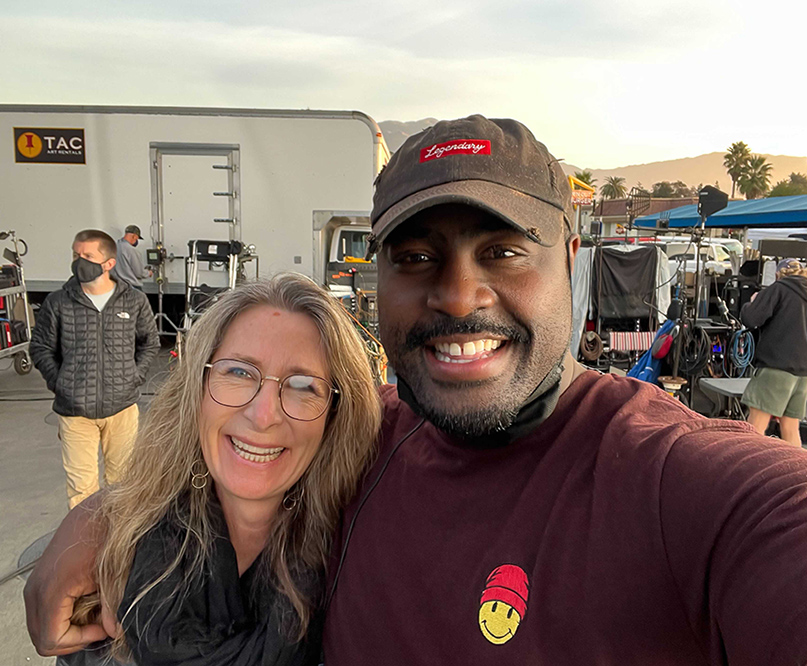
Carlton and I on set—filming a project with Brie Larson together. He moved up quickly in our program and became 1st in his family to work in the professional film industry.
Let’s Get To Work

Sparkman
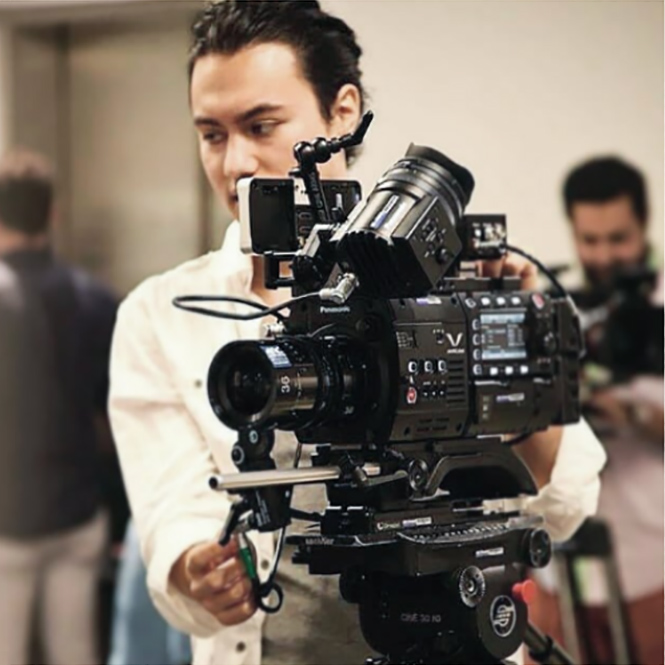
Alex
Tamara
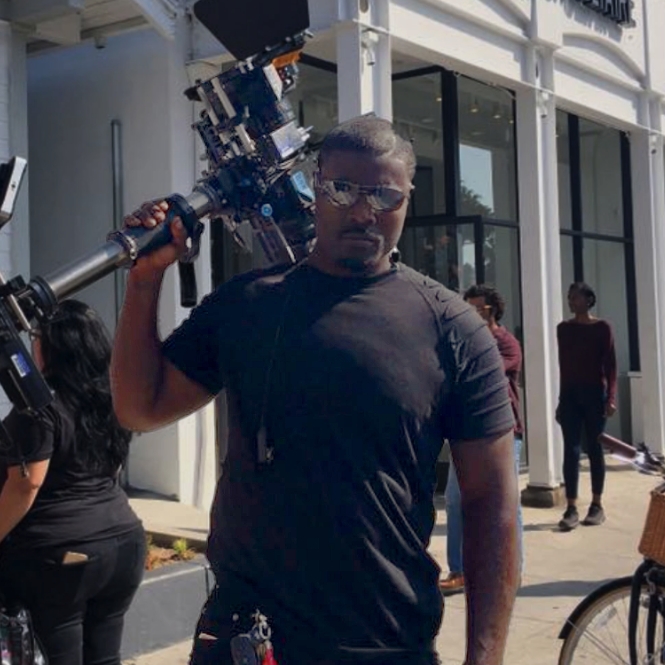
Carlton

Melanie

Jake

Jacqui

Ewa
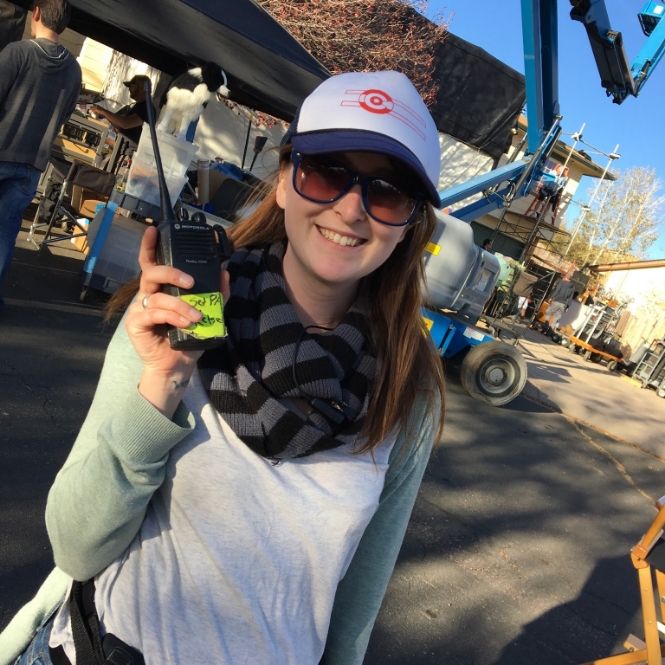
Kelsey

Carolyn

Anton

Isabel
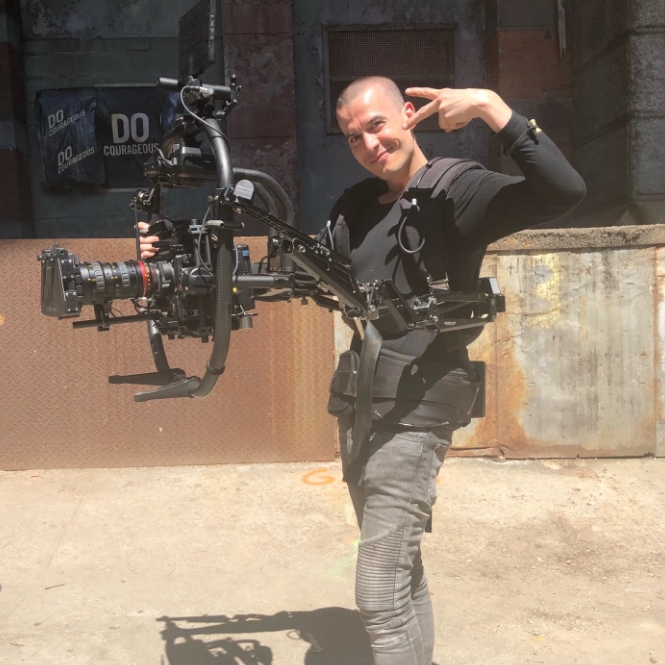
Goran

Sara
Christina
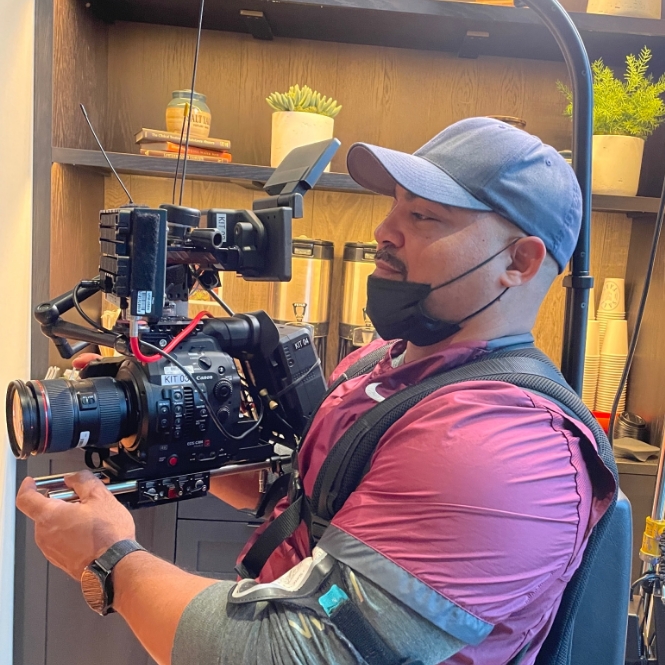
Vic
Allyson
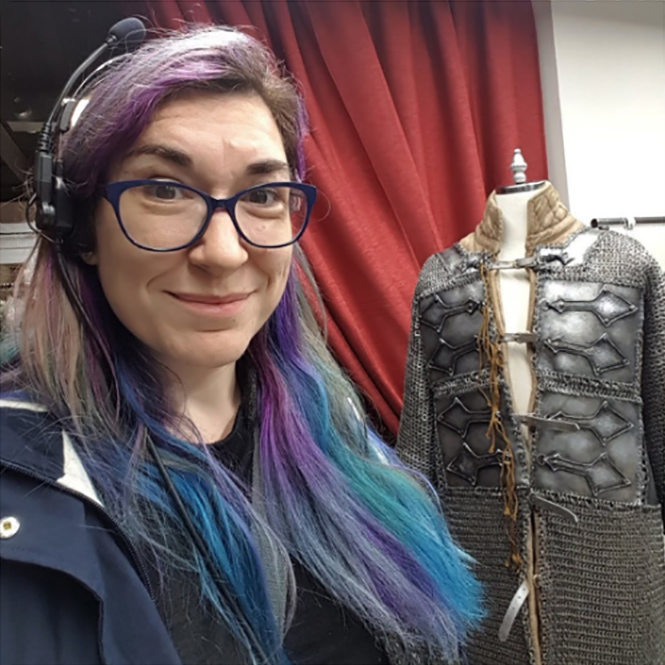
Adriana
Dylan
Sarge

Tara
Adam
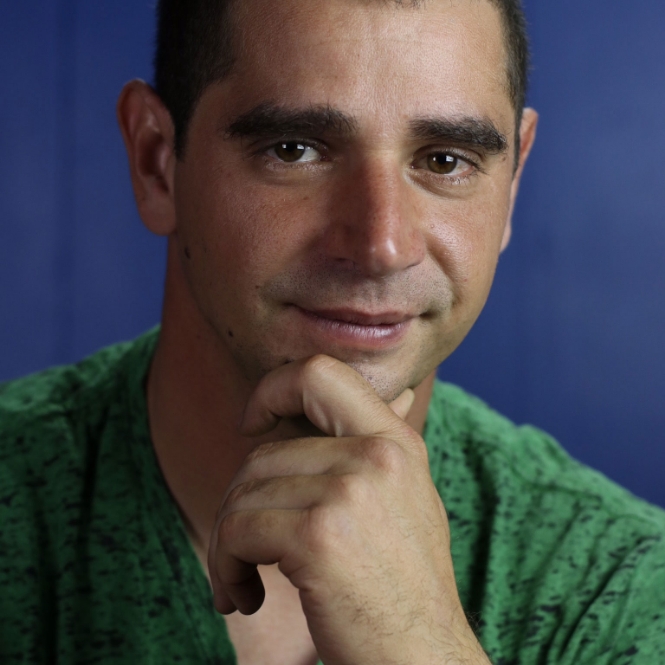
Samuel
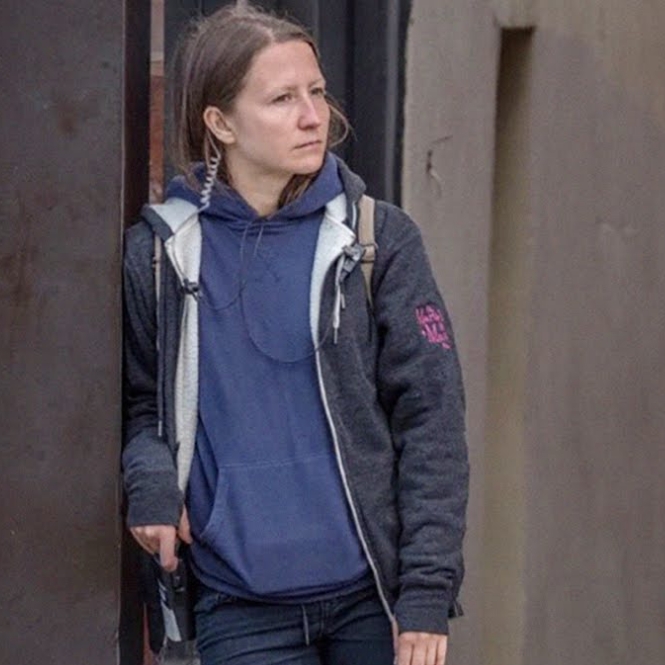
Lera
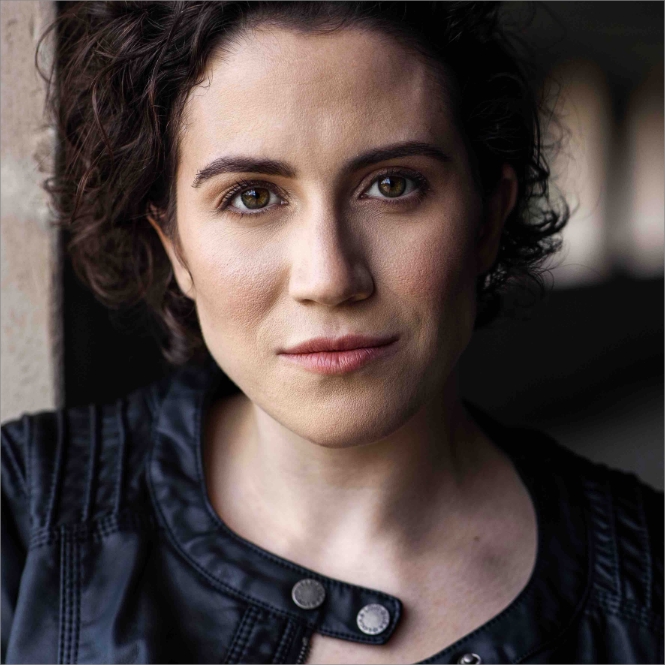
Jana
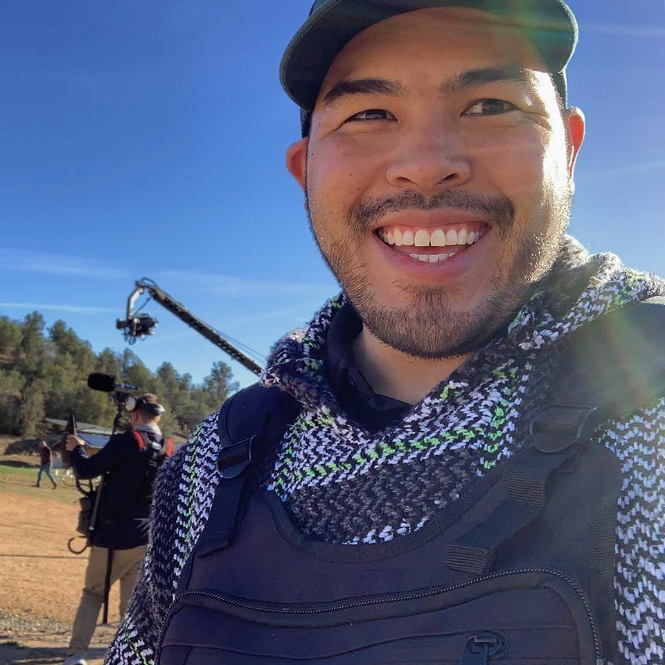
Jaron

Luana

Sparkman (NYC)
Producer, Director
Netflix

Alex (NYC)
DP, Camera Op Fashion industry, worked with Spielberg
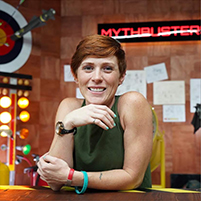
Tamara (LA)
Actor, Executive Producer, Wardrobe Discovery, Netflix
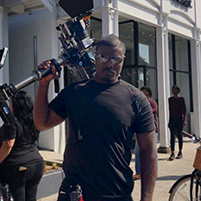
Carlton (LA)
Cinematographer—
HBO, FX, NBC

Melanie (Berlin)
VFX Supervisor Pixomondo, Motions Pics Company

Jake (LA, Maine)
Camera op, DIT, DP Discovery, Animal Planet, Netlix

Jacqui (NYC)
Actor and Production
Netflix, MTV

Ewa (UK)
Actor & Production Channel 4, BBC UK
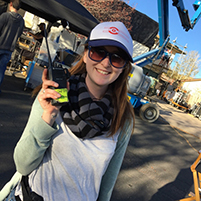
Kelsey (Denver, LA)
Production and writer Top Gun feature film

Carolyn (UK)
Director, Production Netflix

Anton (Orlando)
Director, Producer Netflix, Magnolia, worked with Scorsese

Isabel (NYC)
Producer
Netflix, Warner Bros, ABC
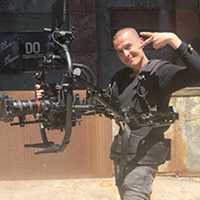
Goran (NYC)
Cannes Winner
DP, DIT, 1st AC, Netflix, Discovery

Sara (Scotland)
Production Coordinator ITV in Scotland

Christina (Houston)
Production
HBO Max and FX
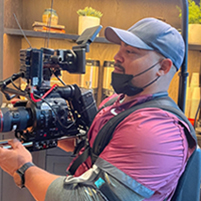
Vic (Wash. DC)
DP, Sound Mixer Discovery, Netflix
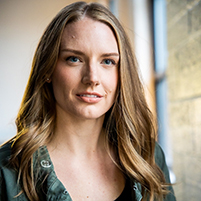
Allyson (Detroit)
Actor, Camera, Wardrobe Netflix, MTV, Discovery
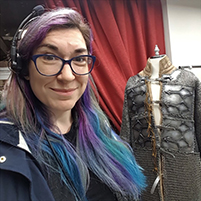
Adriana (Toronto)
Costume designer Netflix, HBO
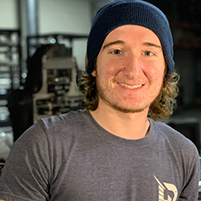
Dylan (Atlanta)
Camera—Warner Brothers, Netflix
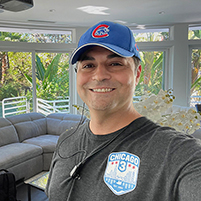
Sarge (LA, Chicago)
Production—HBO Max Also a medical doctor

Tara (LA)
Segment Producer
ABC, Netflix, FX
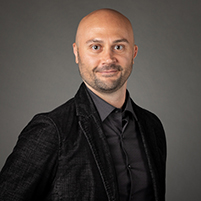
Adam (Denver)
Director, Production Netflix, HBO, HGTV, Discovery
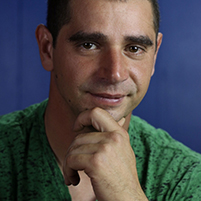
Samuel (Dallas)
Director, Producer, Effects, Production Design, Netflix, Nat Geo, Discovery
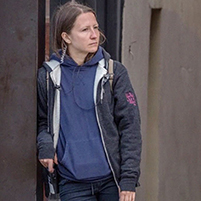
Lera (NYC)
Actor, Talent Wrangler Netflix, worked with Scorsese and Spielberg
Jana (NYC, Atlanta)
Producer, Casting Director, Netflix
Jaron (Phoenix)
Camera op, DIT, DP Discovery, Netflix, Animal Planet

Luana (NYC, Nashville)
Actor— Oxygen, NBC
Watching GRETA, an Award-winning short on Amazon, directed and acted by Graduate Sparkman.
Watching GRETA, an Award-winning short on Amazon, directed and acted by Graduate Sparkman.
Make Films While Working on Sets. Act in Films While Working on Sets. Always be creating work you can use as your “calling card” —because you’re already inside working on sets!
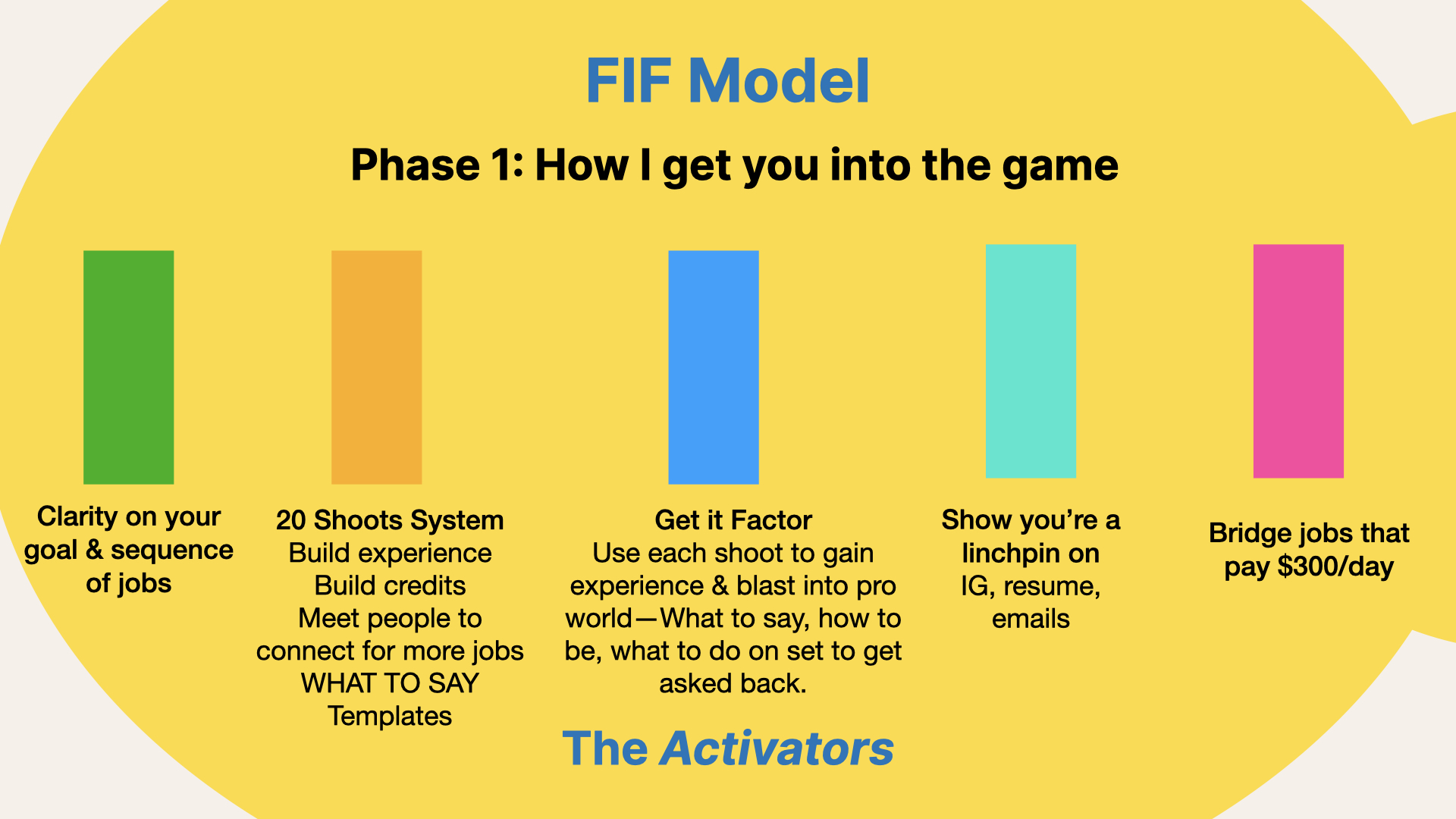
Phase 1: Get into the Game
Ten modules of activations. The complete system from idea to income – with Janet personally helping you every day and every step of the way.
Module 1 Activation: 🎬
Start Your Film Career Having a Plan
Next, we’re going to start making money starting with Bridge jobs. We’re also going to learn the landscape of film sets, who hires you, what they want to see, and what is the sequence of jobs you’ll do to get to your dream job so you have clarity of what you’re doing in the next 10 months.
- Create an Extraordinary Goal — Creating a clear goal is important because it attracts the right people, helps you build your story, and guides you to the jobs you’ll do on set.
- The sequence of jobs that make your goal possible. And how Vectoring gets you into each of these jobs.
– The Actor’s roadmap to on-set jobs—First job -> PA job -> CD assistant -> producer’s assistant -> doing a job in a craft while getting acting opportunities the entire time.
– The Director’s roadmap to on-set jobs— First job -> Camera PA -> Producer’s assistant -> Director’s assistant -> directing 2nd unit and BTS the entire time.
– The Writer’s roadmap to on-set jobs–First job -> Office PA -> Writer’s room assistant -> Producer or showrunners’s assistant -> get scripts shot with on-set filmmakers who have a camera and gear.
– The Cinematographer’s roadmap to on-set jobs—First job -> Camera PA -> 2nd AC -> gaffing -> camera operator while DPing small projects the entire time as you get connected into the Netflix-level film sets in the camera department.
– Lifestyle on-set jobs—Niches like National Geographic , costume design for feature films like Frankenstein, and other niches have a sequence of jobs to build experience to get into these specialty niches. - Jobs you can do on set depending on how you like to work. You’ll be surprised at what each of these jobs are actually like when you do them. Jobs on set have different qualities to them. This will help you see what jobs might be a fit for your personality.
- The production calendar for a professional production. The pre-production days, the scout days, who is working like wardrobe and production designer, who is only working on the shoot days, and who works during the wrap.
- Rate cards for each job on set based on the union contract. This is showing you the rates of each of the jobs on set, straight from the union contract.
- The Landscape—How film sets work so you can look like you’ve been on hundreds of sets
a. Who hires who, the hierarchy of who you work for, and how you move up.
b. What jobs are a fit for you based on your personality.
c. What if you don’t know what job you should get and are interested in it all.
d. What if you’re shy, awkward about networking, and don’t want to be annoying.
e. Film production 101- Understanding the time-line of a film shoot, what jobs are involved in pre-pro, shoot, and wrap.
f. The sequence of jobs that make your dream job goal possible. - Getting Bridge Jobs — Use Bridge Jobs so you can pay your bills and build your film career at the same time. Brand Ambassador, Events, Concerts, Experiential marketing, Product Launches.
This is the perfect plan to leave your 9-5 job and make more money working less days.
1. Where to find Bridge jobs (higher-paying flexible freelance jobs) in your city that we can use as experience for film sets.
2. How to take great photos for these jobs and your emails and resume.
3. How to create a simple resume using your past experience and jobs—whether you have film experience or not.
4. Examples of simple resumes when you have no set experience.
5. How to negotiate pay and put together a simple invoice.
6. How to handle overlaps and making it work with your day job.
7. Using Brand Ambassador work between PA gigs
8. Getting PA gigs at events, product launches, concerts.
9. How to land work at weddings and catering to bring in extra money if you need it. And how to use this work as experience relevant to film sets.
10. Background work. How to sign up with the agencies and get the work.
11. How to get featured background work. - Professional positioning. This makes you stand out.
Make a signature for your emails that includes a picture of you smiling your head off and calling yourself a Production Assistant.
Make your v-card on your phone with a picture, keywords, and ready to share. (Many professionals on set don’t even have this figured out. They will be impressed!)
- How to avoid scams, wasting money, or being taken advantage of.
1. How to tell shady “agencies,” bad acting classes, empty promises.
2. Examples of scams and how they find you, what they say in the email or through DM-ing, and how it all works.
3. What to do if you suspect it’s a scam.
Module 2 Activation:
Starting the real work to become “One of the Good Ones”
- Self-coaching so you show up as your best self—and don’t worry so much or go into your head.
1. How to coach yourself on your first few sets so you don’t feel like an imposter (You’ll relax when you know what professionals actually expect from new people and how attitude is the most important thing.
2. How to deal with fear, doubt, and ‘who do I think I am?’ — using real stories from students who were terrified at first and did it anyway and it turned out amazing.
3. Simple mental tools to keep taking action even when your brain is screaming at you to stay safe. This is when we learn new things. Everyone on set started somewhere. Everyone on set was new at first! - Build Your Magic List — The hiring list where you’re entire career comes from.
In a freelance business, how you stay in touch with people is your career. I will show you the right way to build your connections, stay in touch with them to get jobs, and even target future mentors and develop relationships with them, all through people you know and work with on your Magic List.
This is the secret to getting consistent work in the freelance film business.
- How to make a magic list. What to put on it. How to research companies and people in your market. Examples of other’s magic lists. Download the template.
- Film Festival Strategy
– How to volunteer at film festivals
– Connect with the organizers and get introduced to the filmmakers by them
– How to choose the job you do at the festival for maximum conversations
– How to get a introduction role for visibility
– How to open conversations with what to say
– How to follow up after the festival with people you enjoyed talking to in order to be involved in their next film. - The Art of making friends in film. We will not be “networking.” Passing cards around. We will not be strategic in our conversations. We’ll “talk to people”.
We are strategic in how we spend our time and what we are building, but we are not strategic in “using people” for our purposes. We connect through truly wanting what’s best for others and forming real friendships.
I’ll show you how you connect with newer people, and professionals who have been in the business for ten+ years. It will be different because they are in different places in their career. Show them you’ve been getting your own work, people like working with you, and you know people.
Also, most importantly, you learn my ways of staying in touch so they think of you for opportunities.
- What’s appropriate — Learn the tone in the texts and emails, the timing of when to reach out, the right people in production to email or text, what to say, how often to follow up.
How to mention your acting interest, how to keep them informed on your progress, how to develop mentors this way. It’s all very soft sell.
- How to show your bridge jobs, background work, and festival volunteering on IG.
- What to do if you get overlaps and you’ve got a Bridge job overlapping another opportunity like a festival or a shoot. Overlaps are good things and I’ll explain how to use them to look like you are in-demand.
Module 3 Activation:
The 20 Shoots System
How 20 shoots builds your confidence, resume, and connections
Different kinds of things happen on beginning sets versus the big professional ones, and what you do on these sets should be different.
How you are to work with on a beginning set can get you referred onto a professional set.
You are always ready when we’re about to shoot. You are thinking about other’s comfort like how you can help make the talent comfortable. You’re not competing you’re contributing. It’s how tight relationships are made that last a lifetime.
- The 20 Shoots System — The method to find your first 20 paid shoots so you can start meeting people, fill your resume with tasks you did on set, get credits on your IMDb, and post pics of you working on your Instagram. d
- The “Want to Work” Email— This email is how you get on shoots. It’s short, to the point, tells them what you can do for them, and shows that you come prepared for set work. Example of WTW emails. When your email is not good enough. Download TEMPLATE.
- The law is working 3 days MAX on an unpaid shoot. How to let them know you can’t do more days, what to do if you get a paid job and you’ve committed to the free job, what if you like the people? Should you do more days for free?
- Got schedule conflicts with your day job? How to handle it, how to say it, and work it out so they call you for the next one, or even have you come in for part of the day. They will do that only if they feel you have “get it” factor.
- How to introduce yourself on sets, at festivals, and doing Bridge jobs.
- How to make a combo resume of BA and PA work.
- Superstar backpack and waist pack — Everything you need to have with you, what goes in your backpack—what they might need on set in a pinch (like a sharpie or superglue), Sunscreen, extra phone charger,
– Keeping a clean car
– What to wear on set
– Examples of other student’s backpacks. - Rockstar PA knowledge:
– Set etiquette for PAs
– Commonly used terms on set
– Walkie basics
– Headsets to buy
– How to wrap cables properly
– If you have to drive a truck
– Renting props and gear- what to know - How to start getting paid after 10 shoots. How to get paid as an actor after 10 shoots.
- Being ready—All the things you’d never think about but can totally burn you! Like having to search for gas the morning of trying to get to a location. You always need to have a half tank of gas before you start a job. All sorts of things that can burn you in production where I’ve been burned! Not having batteries, a charged cell phone, or asking the right questions before coming on set!
- On set mistakes—also compiled from my mistakes and my students. Like not knowing the lay of the land so when people ask you questions you don’t have any answers. Know the mistakes that are not obvious that can be anticipated if you KNEW what to anticipate! I’ll tell you all of that and hope we cover the one that you might make! :-) Seriously, mistakes happen and how you handle them is super important, so you build a relationship instead of losing one.
The Result: You’ll go from “I’m trying to break in” to “I’m already in and getting called back.”
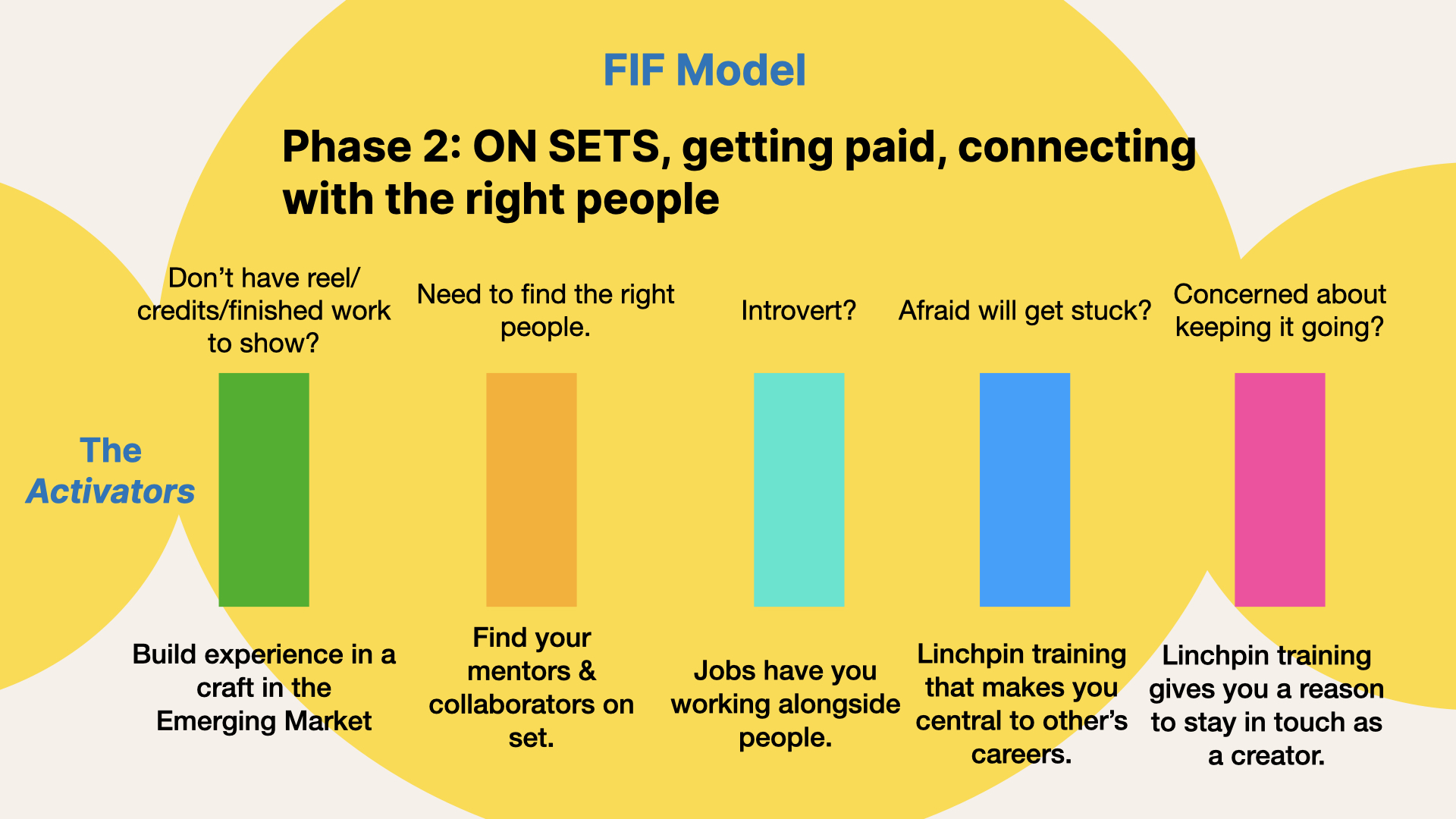
PHASE 2: Build Consistent Work & Master the Set
Module 4 Activation:
Prep Like a Pro, Show Up Like You Belong
🎬 Before you step foot on your first professional set, you need to know exactly what to expect and how to show up prepared.
Now you need to be prepared at a higher level. You’ll need a headset, a pack to wear on your body that has what you might need in an instant. You’ll need to study the shoot schedule. When are they having lunch… is there a company move… will production need to move their offices, can you help them, what can you anticipate to help at a higher level. That’s what this module is about.
Here’s What You’ll Be Doing:
- Vectoring— Bottom line are doing a quick mental check, looking for clues of whether you’re good, whether people like working with you, how useful you’ll be, should they hire you over other people, etc.
Vectoring is how I got in so many doors so fast. “Well if so and so trusts you, I guess I will too.” But seriously, it’s all soft touches, “I’m working with Verizon this weekend but after that I have 3 days available and would love to work with you if you need me!”
Vectoring when I first started was compiling a Magic List (Module 2) and contacting biologists who were in the films, and talking about it. Once I knew some people, and had a little story about it, “They’re studying meerkats, did you know?” then they’d be like, “Oh you’re in and obviously one of the tribe.
From there to watching an editing session. To going a shoot and helping with art dept. To helping with script supervising on another cool shoot. And they know you’re new but they are good with it because you have a great attitude and other people they know, other companies are working with you.
You don’t say you’re in-demand, you elude to it and then they are the ones to form the opinion that people like working with you.
- More follow up to get on more shoots— We cannot talk enough about follow-up. You can’t come across too strategic. That’s a turn off. But when you thank them, tell them what you learned, they feel appreciated, and when most people don’t do this, you stick in their minds. Your entire career is you sticking in people’s minds. You’ll do this is the people who hired you, who you worked with on that shoot day, with CDs, with agents, with other PAs.
Less is more. So, knowing what to say that is soft touch is really important. It’s all impressions!
- Build Your Resume — You’ll get the list of tasks that producers and production managers will love that you have on your resume. Like wiping down the bathroom. YES! You put that on your resume and they know how you roll. Someone brought you up right! :-)
What you may not realize is all sorts of stuff happens on set that is frustrating to producers and PMs (production managers). When you point out to them that you are already watching for these things and know it’s important to them, you warm their hearts!
How you word things is important. Not trying to convince. Don’t exaggerate what you’ve done or try to make your experience more impressive than it is. They can see right through it!
How to word your past experience, what you did on those jobs that similar to set work, and then listing your shoots and who you’ve worked with is important.
- IG and FB — As you are doing your 20 shoots, take pics every day of you working, at craft service, setting up a c-stand, holding a flag, and show it on Instagram. Promote other’s films. Cheer them on. Their circles will see it and see you. More work will start to find you online and that is the best work when they find you.
- Prep for 1st day on professional set— Transportation expectations, crew parking, following signs, arriving early, accommodation expectations if you’re working as a local vs. being paid to travel with the crew). Examples of when you’d experience both./li>
- The Night Before Checklist
– What to have with you in your house, so you walk out the door prepared, and don’t forget anything.
– How to set it all up so you can be cool and calm on the day. –
– How to self-coach if you have the night before jitters. (this is normal but you’ve got to get your sleep!)
– No alcohol! No staying up late. No ambien. Talk to yourself and imagine things going well, which they will because you’ve already done your 20 shoots! You know what to expect. - Arrive Like You’ve Done This Before
– What you should do from the moment you arrive
– Checking in with the PM, to getting your walkie
– How to introduce yourself
– Who should you introduce yourself to, and who is someone you introduce when the time is right.
– How to explain when you haven’t done the thing they ask you to do, so they help you and are happy you told them.Example: If they are paying you for a job and you don’t know it, they can get cross. If you tell them you’re newer at it and want to know what are the most important things to them so you can knock it out of the part, they will focus their mind on how great your attitude is instead of what you don’t know.
- Examples of people making a good impression who were new.
- Examples of how people create a poor impression and they have no idea.
- How you respond and the words you use are so important. Taking responsibility is so important.
You will literally hear groans if you respond wrong. Take it from me, I did and then the rest of the day you’re beating yourself up!
Module 5 Activation:
More On-Set “Get It” Factor
This is what gets you called back.
🎬 Most people don’t realize that 80% of whether you get hired again has nothing to do with your technical skills—it’s about your presence, your attitude, and how you make people feel.
You have to do the job with a little flair, so people remember. A smile, a true connecting, a real gut laugh, a watching who is struggling with a tent, a sand bag, watching if the producer might need a refill in video village, all are watchful things you will easily do once you know what to look for!
- The Background to PA Method — Now we can use background work to get PA jobs on major productions. Examples of how many people have done background work and talked to the 2nd 2nd and gotten on their list to PA. How to follow up with 2nd 2nds, even if they say they already have their people. This method is very effective! Examples of many of your FIFers getting paid PA work from this method.
- The Art of Impressions — Handshake or fist bump. Making eye contact. Smiling. Learning people’s names but don’t repeat it too much. Letting people know you appreciate them. The little things.
Who to thank, what to say, how to exchange business cards, or contact information to you are in their phones.
- Taking up space in people’s minds. Basically you don’t want to take up space. That’s why Get it Factor is so important. Understanding what they are going through in their job helps you respond properly because you know what they are doing to prep, on shoot day, and when you wrap.
- When to text versus when it’s better to email. Production will not tell you these things. But they don’t want to be bothered when they are not on the clock, so a text forces them to answer, and if it’s the weekend, now we’re making them work to remember the text even if they don’t respond.
- Using your v-card to be found easily. Using keywords in their phone search to find you. How to represent yourself if you’re an actor or writer, but a newer one looking for newer opportunities. “Great to work with you! Here’s my business card if you need it!”
- Get It Factor throughout the day:
— If you want to get in with a department, Get it factor to get to know them but not get in the way or be where you should not be.
Omar’s example.
– How to be eager, but not that longing energy.
– Coming from abundance mindset versus a “wanting” mindset. - Get it Factor after the shoot:
– What the production manager loves that they’ll never tell you—Like getting your timecard in the evening you arrive at home or getting your invoice or receipts on Monday morning or earlier. Or responding with a thumbs up emoji versus a written response that may be bringing up another question.
- Don’t make people work! All the inner workings of production so you don’t make people have to respond and do extra work when it’s not necessary.
- More Get it Factor
– Don’t break these rules.
– Don’t use your own money.
– How fast you need to get back to people.
– How a great attitude is obvious and not obvious.
– Alex’s bad day.
Module 6 Activation:
Follow-Up That Multiplies Jobs
Turn One Shoot Into Your Next Opportunity
🎬 The work doesn’t end when the shoot ends. How you follow up is what actually build your career.
- Getting Paid — Invoice vs. payroll, mileage, parking meters and even parking tickets. What if you go over the agreed upon time. What if you have an additional expense and forgot to bring it up on the day. What is going to be 1099 and what will be a w2.
- Follow-Up Examples — See exactly how professionals do it for the different situations, so you know you’re hitting the right note every time. Depending on what happens on the shoot, you’ll have material to follow up with. Depending on the time of year, there are opportunities to follow up and get in their mind to get called for their next job. How to organize a follow up schedule so you spend 5 minutes a day plant seeds for the next month.
- Becoming a Linchpin through your ever developing Magic List. The Magic list is how you’ll keep people straight, what they’ve done, where they are from, what they want to do in the business, how you can help them, and have it at your fingertips so you can efficiently reach out to people.
- Calling people on your magic list, Advice from an Executive Producer, how other FIFers got jobs from calling, and how they were complimented by picking up the phone when everyone else avoids the phone.
- Emailing and texting people on your magic list.
– Examples from Omar on emailing that resulted in paid work.
– TEMPLATE for Magic List - Why you should not be afraid to ask your rate! Asking, “What’s the rate?” marks you as a professional who respects their own time and shows them you’re in-demand in the film world.
- Passive voice versus active voice on set and in emails.
- Tricks in remembering people’s names.
- Best practices in handling releases and other tasks you’ll be asked to do on set.
Module 7 Activation:
Work for Production Companies
🎬 Working with production companies from corporate video to music video to vertical TV series. And commercials, feature films and TV are often different production companies.
Sometimes you’ll use certain production companies that are not where you want to end up to gain experience that you know will count on the kind of work you really want to do. Some sectors are easier to get into.
Some will want you to do a staff job, which may not be the best thing for you depending on your goal. This is why we start with the goal.
It’s a freelance world, so from one day to the next, calls may come in and you’ve got to know what to take and what to turn down.
- Popping into Production Method.
– How to put together the package you’ll give them of your 20 shoots, business card, and note to producer.
– How you’ll meet the working producers, production supervisors, and coordinators prepping in the office.
– What to say to them
– Examples of students doing this method and getting paid work from it. - Find production companies that are easier to get into — How you can offer to help them and they’ll say yes! Working together is how you’ll get on their next shoot.
- Which crafts have the fastest entry points (art, sound, etc.). and how to know if you want to do these jobs.
- What is the lifestyle you get from doing a craft in each sector. Example: Actor on a commercial is a different life than doing TV. A DP doing documentaries is a different life, different rates, different focus than a commercial DP. But a DP doing docs can use it to get into commercials if you pursue certain kinds of jobs and the production companies doing that kind of work.
- Understand the Hiring Structure
— Who actually hires for each craft. The producer only hires the department heads.
– Each department head brings their own people. This is important so you don’t ask the producer for a job they don’t make that decision. - Call Sheets — Learn how to read a call sheet that is TV versus commercial. When it’s appropriate to contact people from the call sheet. There are different situations all the time, so we cover the situations and if you have new ones, we cover what is the best practices.
- Walk on Set method. How to put together your package to hand production supervisors and what to say. Examples of numerous students who did this method and got paid work from it.
- Targeting production companies in the Emerging Market.
– How to find these companies through word-of-mouth
– What crafts they might need newer people to work in
– What rates are typical and how to negotiate
– Tricks to relate. Like learn a few words in Chinese when working with Chinese director. - Expand Your Opportunities Across Crafts — Discover how to get opportunities in multiple departments so you have more ways to get on sets and build a diverse skill set.
- How to plant seeds for what jobs you’d like to do while on set. Who to let know when you start the day, like the 1st AD, 2nd AD, and production supervisor and what to say.
Examples of how people have gotten jobs when they plant the seed. - Surfing for Postings— Posting have their purpose. They are not a “way in” but they can be a way to get on people’s radar.
Once you have your 20 shoots, you’ll be able to use this method effectively. This is how to find and land jobs on Staff Me Up, Backstage, and Spotlight.
You’ll have production managers info and can follow up later after that job ended, but they are crewing up for their next one and haven’t hired the crew yet and they are not posting it on Staff Me Up. You’ll get jobs those jobs where they were asking around but since you contacted them, they hire you.
- How to get jobs where they often need extra people, like art department, so you have many ways you can get on sets, and many different department heads that have you in their phone for jobs that come up.
- The sticky situations that come up on set.
– How to handle situations like a tense set.
– When you have 2 people asking you for different things.
– How to transfer responsibility to another person and keep everyone happy. - The important of expressing genuine passion for your craft.
Module 8 Activation:
Secrets to Standing Out on Set and in the Production Office
These secrets are what professionals would tell you if they could remember why they keep getting hired. They naturally do these things now because they’ve been either burned or put it into their mental list of things that are good to do.
- Vectoring into a craft, like acting, directing, art, sound, lighting, producing. Examples from students.
- When you should think about getting an agent.
- How Janet got started in a craft.
- How you get paid work through relationships not a resume!
- Top 10 on set moves that get you called back — This is my list of what I’ve seen people do that gives me a good impression!
Like an AD who comes with a voice of god. Who touches base with each department head. Who gives their departments the lay of the land so they know what to expect. Who lets people do their jobs instead of double checking all the time.
It’s easy to be annoying when you don’t know better. Knowing what is good “checks” and what is being nervous is what I’m showing you here.
- Different production assistant jobs (Staff PA, background PA, 1st team PA, Key PA, paperwork PA, Camera PA, AD PA)
– How to use those jobs to get acting and other opportunities)
– Which jobs give you more flexibility to get acting roles (it’s not background PA!) - How to handle the harder bits
– How to handle chaos
– Give the impression you’re one of the team helping smooth out the chaos versus pointing out what should have been relayed differently or getting involved in any negative conversations.
– Communicating with assholes on set
– Taking jobs just to get other jobs
– Dealing with stress and constructive criticism
– Working with less than good people - Doing the Office PA job and how it helps you form relationships— Learn what office PAs do, how to do that job even if you’re brand new and never done it before. (It’s a lot of helping with whatever comes up in the office.)
- What you might need for office work. Like a computer versus an ipad. And it must be an apple.
- When doing office work, how to ask if you can come to a casting, who to ask and what to suggest that you do to hep them.
- How office PA work leads to Writer Assistant jobs on TV shows. How you connect with a production manager who also does TV and help them prep their next job so you can be around the writers.
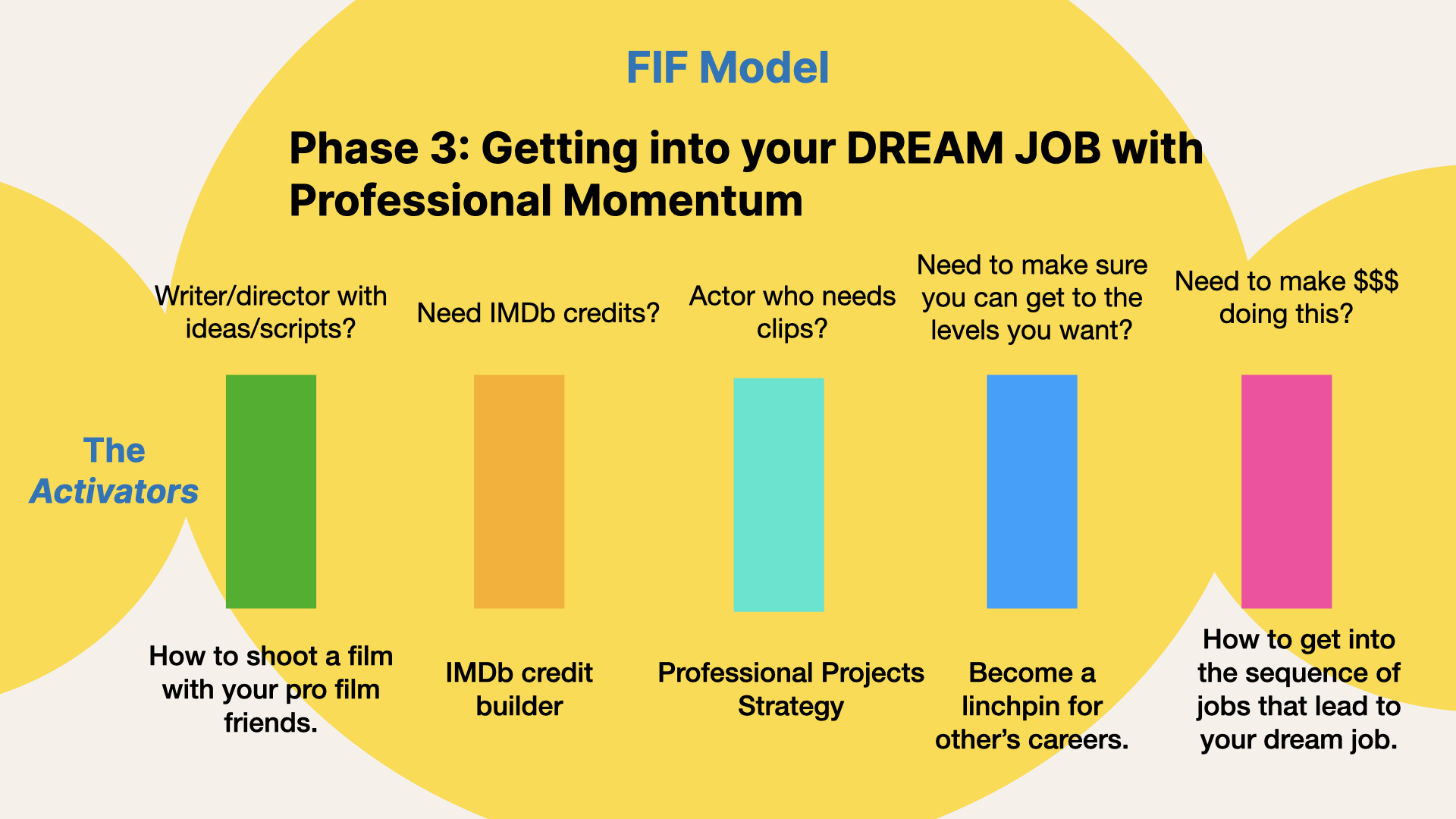
PHASE 3: Getting Into Your Dream Job
Module 9 Activation:
Getting into TV & Features
🎬 At this point, you have been on 30-50 shoots, many in the Emerging Market.
- How to use the Production Directory to expand your list now that you have 20+ shoots, people you’ve worked with, and companies you can refer to. It’s a simple reach out that you do, that professionals also do but only when they can use the elements of Vectoring.
Example: “I’m reaching out to get on your list, I work with so and so who you may know, and [production company], and my next week just opened up so let me know if you need me!”
- Interviews with producers, production supervisors, casting directors, and ADs
— Learn directly from producers, production supervisors, and writers about what their jobs are
– How they got into those jobs
– What they look for if hiring for their department
– How they use IG
– How they can tell if someone is good before they hire them
– What to do when you’re working with them so they feel totally supported. - Actor Roadmap — The exact progression from background → principal roles → featured roles → lead roles. You’ll see the specific milestones, the timeline, and the moves that accelerate your journey.
- Camera Department Roadmap — From Camera PA → 2nd AC → 1st AC → Camera Operator → DP. You’ll understand each role, what skills you
need, and how to position yourself for the next step. - Director Roadmap — From PA → 1st AD → Line Producer → Director. You’ll see how directors actually break in, what experience matters most, and how to build the resume that gets you directing opportunities.
- Producer Roadmap — From PA → UPM → Line Producer → Producer. You’ll understand the business side, the relationships that matter, and how to move up in producing.
- Grip Department: Grip → Key Grip → Dolly Grip → Crane Operator
- Electric Department: Electrician → Best Boy → Gaffer
- Camera Department: Camera PA → 2nd AC → 1st AC → Camera Operator → DP
- Sound: Sound PA → Boom Operator → Sound Mixer
- Production Design: PA → Set Decorator → Production Designer
- Timeline Expectations — Real timelines for each craft. How long it actually takes to move up, what moves accelerate it, and what can slow it down.
- How to document your progression on your IG to lead to more opportunities, tag, include, let people know what experience you now have that they can hire you for.
- How to find mentors who teach you, give you their phone numbers, send you jobs, get you into companies that are aligned with your direction.
– Examples of how mentors changed the level people were at, once they see you were ready. - How to know when a job might be over your head.
– Who you might get involved to help or assist so you don’t screw up someone’s project.
– How to bring people into a job where you can bring in an assistant but do it strategically so that person refers you work and returns the favor. - Using Gear as Your Ticket to $1,000/Day Jobs — Learn how having a camera or lighting gear can get you $1,000/day jobs shooting promos, BTS, commercials, and corporate content.
- Building relationships with people doing the same job as you. Don’t look at them as competition. They are alliances that allow you to be better. Good karma always.
- Building teams. Build relationships with people doing jobs related to yours.
Example: DP benefits from knowing effects specialist, editors, sound mixers, executive producers, and production designers. As different scenes come up, they have a stable of specialists to call to get info on a scene before the day. Get your team together and know who should be on your team.
- Rates.
– What to charge for non-union shoots like Vertical TV.
– What to charge for commercials or music videos.
– What to say if they ask for an 8 hour day. Or a flat rate.
– What to charge for expendables.
– How to negotiate rate over email or text. - Union vs. Non-Union Strategy – Should you be union or not? It may not be the best choice depending on what work is happening in your city.
How do you qualify for joining the union. How to get in the union if a production flips. What about if you’re moving cities? Do union days transfer?
Module 10 Activation
Getting those higher-level opportunities in your craft
🎬 Now we get into Dream Career category.
A peer may have gotten contacted themselves to work on it, but they are already booked on another shoot.
These are golden opportunities because they get you doing a craft, for a professional, around other professionals, can be shown on IG, can be IMDb credited, and most importantly, you can talk about it with all your film friends and get more high-level work like that.
- Boomerang method—Using non-union and union shoots to accelerate into your dream job.
– How to do the method.
– What to do on non-union sets versus union sets.
– Examples of students doing the method and gaining responsibility that accelerates them.
– Example Jake working with Beyonce and getting union connections.
– Following up with union connections to get more non-union work. - Professional Projects Strategy – these are the projects that professionals do to move up in their own careers. You will meet professionals on paid sets, and everyone will be doing a job. But what you don’t know is they may aspire for another job on set.
How they gain that experience and get seen in that job is the same as what you are doing. They do the job on professional projects their friends are doing or projects the production companies may be doing. These are gold for your career. I’ve done hundreds throughout the years and they help you move up but also find new clients that can mean $1,000,000 to you in income throughout the years.
1. Who to talk to on set from call sheet to find professional projects on weekends
2. What to say to offer your help. How to find out the extent of the project to make sure you can do the job.
3. How to get production supervisors to refer you for these projects.
4. How to prepare for the professional project – storyboards and script and talking to the 1st AD. 5. Updating producers, DPs, and your peers what you’re doing now so they know the level you’re at 5. How to show Professional projects on your resume and on your IG. - 80/20 Strategy
Learn the strategy that is fire for your career that uses passion projects to advance. 80% professional work for connections and 20% passion projects for experience .– How do the 80/20 Strategy step-by-step.
– How to structure your resume with 80/20 work
– Examples from Luka and Omar with major results
– Stories of success and mistakes from Luka and Omar - Complimentary crafts to get more opportunities. Like acting and casting. Art dept and effects.
- How to build your team of the people on professional sets. Future producers, writers, people with gear, editors, agents, CDs, and assistant CDs.
Advanced Methods: Revisit this for life!
Career Strategy
1. When you should actually think about unions, agents, and moving — and when you absolutely shouldn’t yet. 2. How to start right where you are (Texas, small town, etc.) and still build a real career. 3. Real examples of people who did this with full-time jobs, kids, or starting later — and the specific strategies they used.
Triangles of Trust
1. How to do it successfully
2. Through text, emails, on set
Developing mentors who guide you and give you work
1. How often to touch base
2. Examples of text messages
3. Stories of how Janet developed mentors
How to reach out when it’s slower to get work coming in
1. Examples from Janet and Omar
2. Best examples of reach outs text messages Janet has gotten from others
What to do if need to take time off. Vacation, wedding, get sick.
1. What to say before you leave
2. How to get on their next job when you get back
Test your knowledge, take the Into the Industry Certification test.
Congratulations you have made it into A-list levels (first call) in a craft in 1 year instead of it taking 10 years.
Bonus Module:
Opportunity Channels for Actors
Ways to Get Principal Roles & Build Your Acting Career
🎬 Acting is different. You can’t just “work your way up” like other crafts. You need specific opportunity channels that get you in front of directors, casting directors, and producers in ways that lead to roles.
- How to get put in the scene — Learn how to let people know you’re an actor, and get considered for roles. Real examples of how this works.
- How to ask producers & PMs if you can audition — The exact words to use, the timing, and how to ask in a way that feels natural and professional, not desperate.
- Finding VO opportunities on Professional Projects — how to get those gigs that build your reel.
- How to find work as a CD Assistant
— Casting directors need help.
– Learn how to get referred by producers to work as a CD assistant, which puts you directly in the casting room and builds relationships with the people who hire actors. - How to tell people you’re an actor
— What to have with you (headshots, reel on your phone)
– How to tell them your experience level
– Jow to do it in a way that feels authentic, not pushy. - How to find out what Professional Projects are happening — Work on them in any capacity and get ready to get the opportunity to act.
- Self-producing your own projects — How to create your own content, act in it, and use it to build your reel and get noticed by the right people.
- The High-Paying Craft Strategy — Learn how to get into a high-paying craft (like producing or line producing) to build relationships, and get referred to principal roles that way.
The Result: You’ll have multiple channels to get acting opportunities. You won’t be waiting for auditions—you’ll be creating them.
Bonus Module:
How Actors Can Build a Reel
🎬 Acting reels are important. The reel should be 1 minute long. You can grabs clips of you acting from your first 20 shoots. It can be simple. Doesn’t need to be fancy! And those reel companies that make up scenes are not the way to go!
- How to Use Your Acting Reel on Set — Real examples of how to show your reel to camera operators, directors, producers, and other key people on set in a way that feels natural and leads to referrals for principal roles.
- Example: $850 Principal Role from Showing Your Reel — See exactly how one FIFer showed her reel on her phone to a camera operator, and that led directly to a principal role paying $850. You’ll see the exact sequence of how this happened.
- How to Build Your Reel Strategically — Learn what makes a good reel, what clips to include, and how to edit it so it showcases your range and gets you noticed.
- Finding the Best Acting Classes — Learn how to find acting classes the working actors recommend on set.
The Result: You’ll have a professional reel that gets you noticed. You’ll know how to use it strategically on set. And you’ll have a system for continuously adding clips and improving it.
With good acting materials, and knowing many people on sets, you’ll have a steady pool of opportunities from film sets. And that is what will attract a good agent.
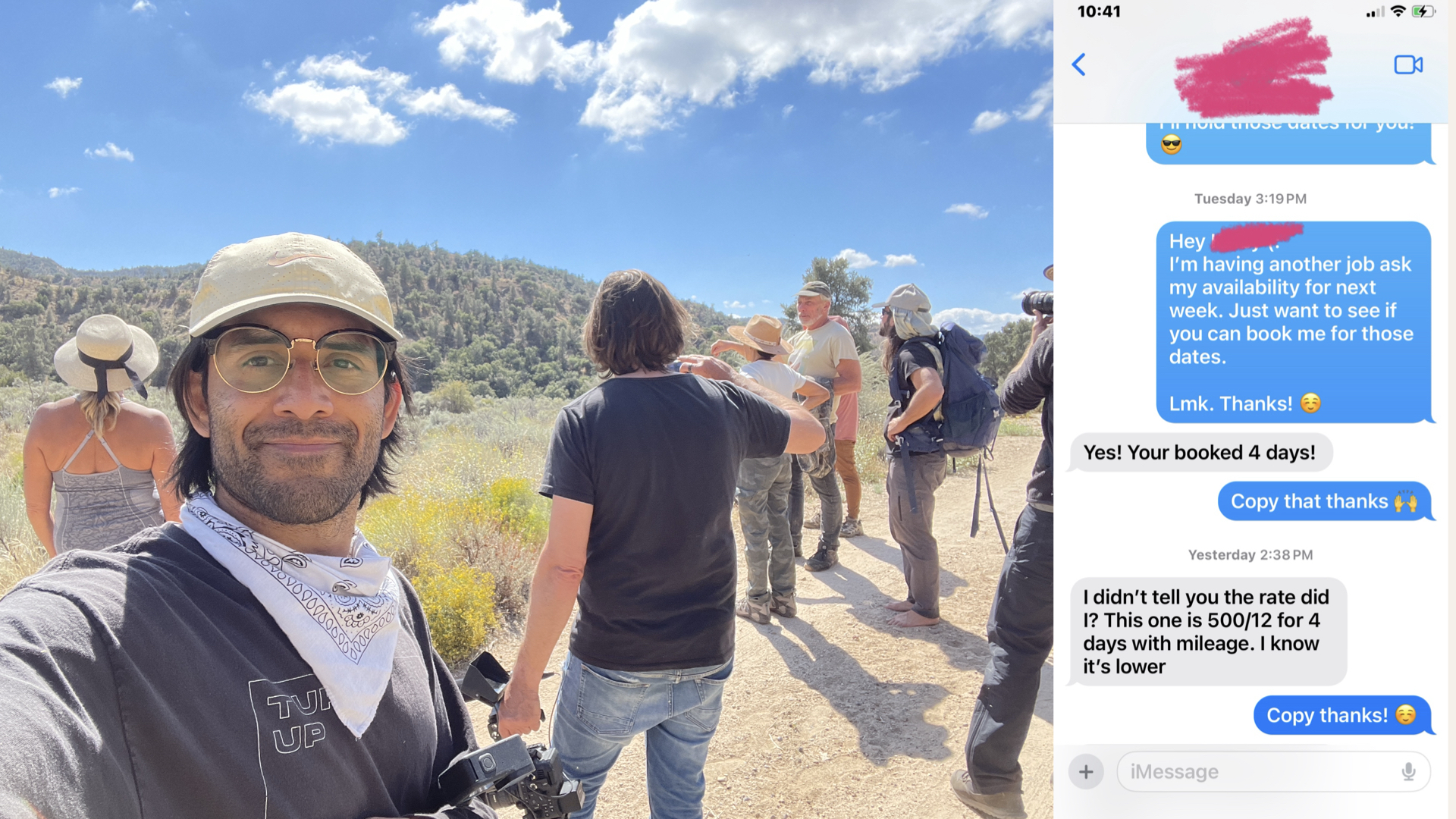
Let’s Get You On Set Doing What You Love! Like this!
Into the Industry STARTER Plan
USD $299 Monthly membership.
Can cancel anytime!
- The Starter Plan gives you full access to the first 2 modules of the program for $299/month, a monthly membership that you can stay in and grow, or cancel at anytime.
- In The Starter Plan, you get mentoring from Janet through in person calls, be with other students who are working in film in our mastermind group, and start making money and meeting people with the “Making Money and Meeting People” Modules.
- You’ll learn how to get Bridge jobs that pay $300-400 per day within your first week, start making money and meeting people, and when you’re ready… continue into the full Into the Industry Program.
- Just one day of doing a Bridge jobs pays for your month in the program.
- Most Bridge jobs are reoccurring work, like 10+ days. Many students are making $3,000 every month just from the process I teach you in The Starter Plan.
Into the Industry Mentorship GOLD Payment Plan
10 Monthly Payments of USD $497 or $4370 paid in full.
(- $600 off)
- 10 Month program. 10 months of access to the training materials and Janet is helping you build your career from working on professional sets.
- Industry professionals who are FIF grads help you, share industry secrets and can even refer you work.
- Daily feedback, individualized mentoring in the Mastermind Group.
- BI-WEEKLY training sessions with Janet. (Janet is helping you for 10 months).
- You will build your career correctly, appropriately, and FAST so you are actually working in the craft you want! Let’s go!
10 Monthly Payments of USD $797 or $6970 Platinum Pay-In-Full (- $1000 off) and complete the program in 4 months instead of 10.
Into the Industry Mentorship PLATINUM Payment Plan
10 Monthly Payments of USD $797 or 4-Month Platinum $6970 paid in full.
(- $1000 off)
- EVERYTHING in Gold, plus…
- A higher level of access to Janet. For people who want to go the FASTEST into their career.
- Handholding. Janet helps you with crafting emails, resumes, and text messages to professionals!
- Janet will move you forward faster in the training if you’ve done the methods and are ready! Let’s go!
Make a decision by Friday, March 13 at midnight.
I will coach you every day to get paid work in the professional film industry until you are doing the dream job you came here for.
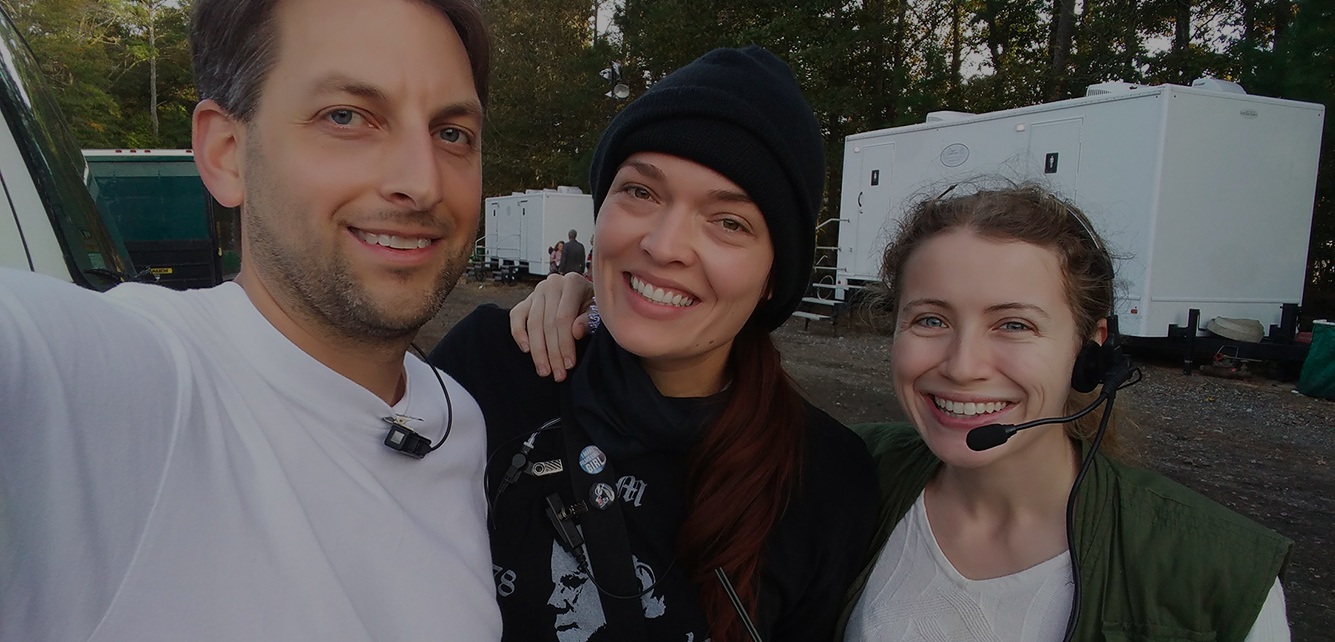
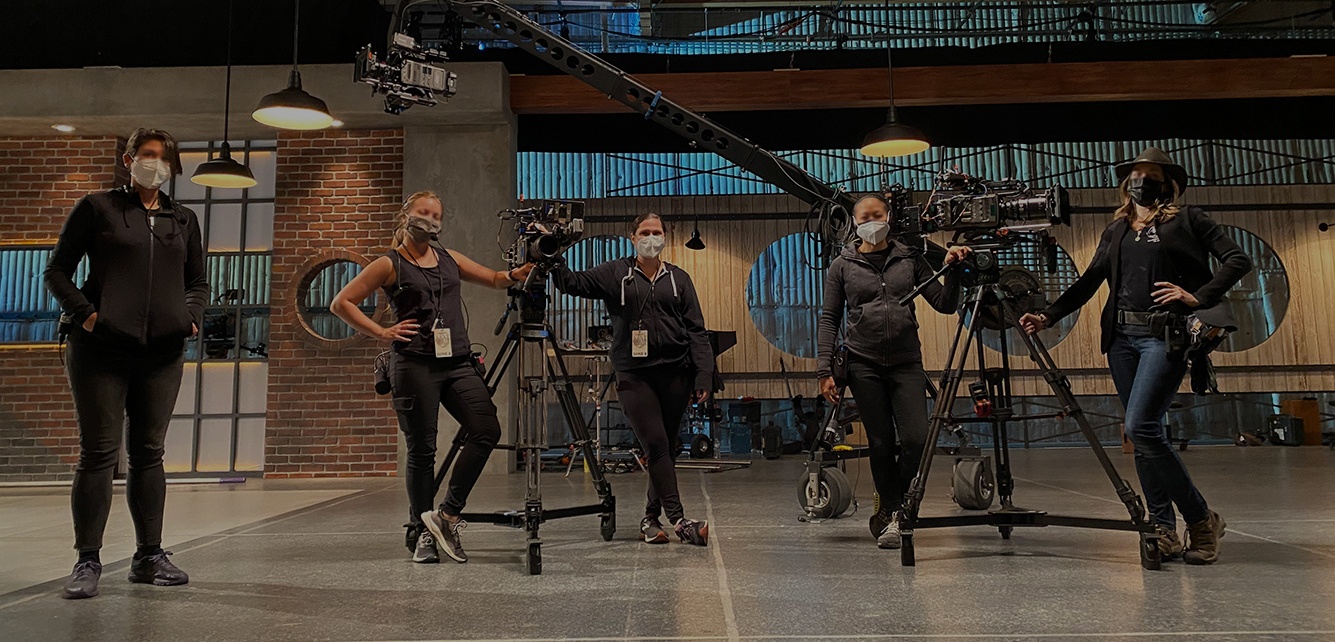

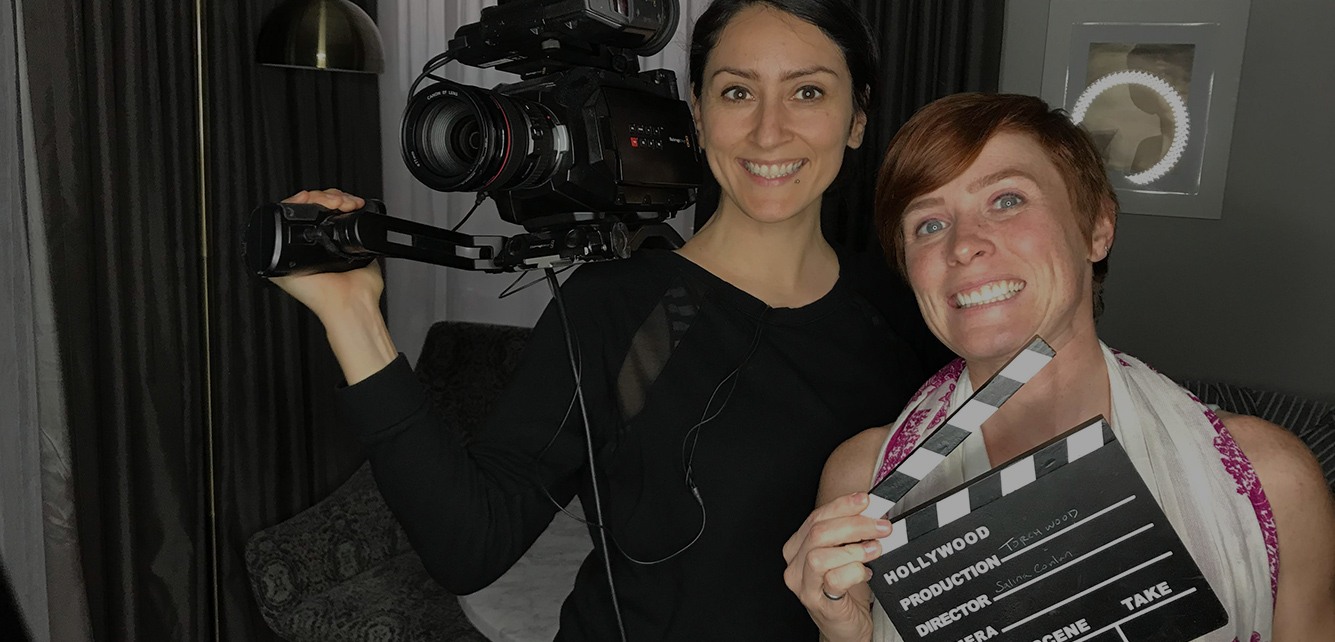
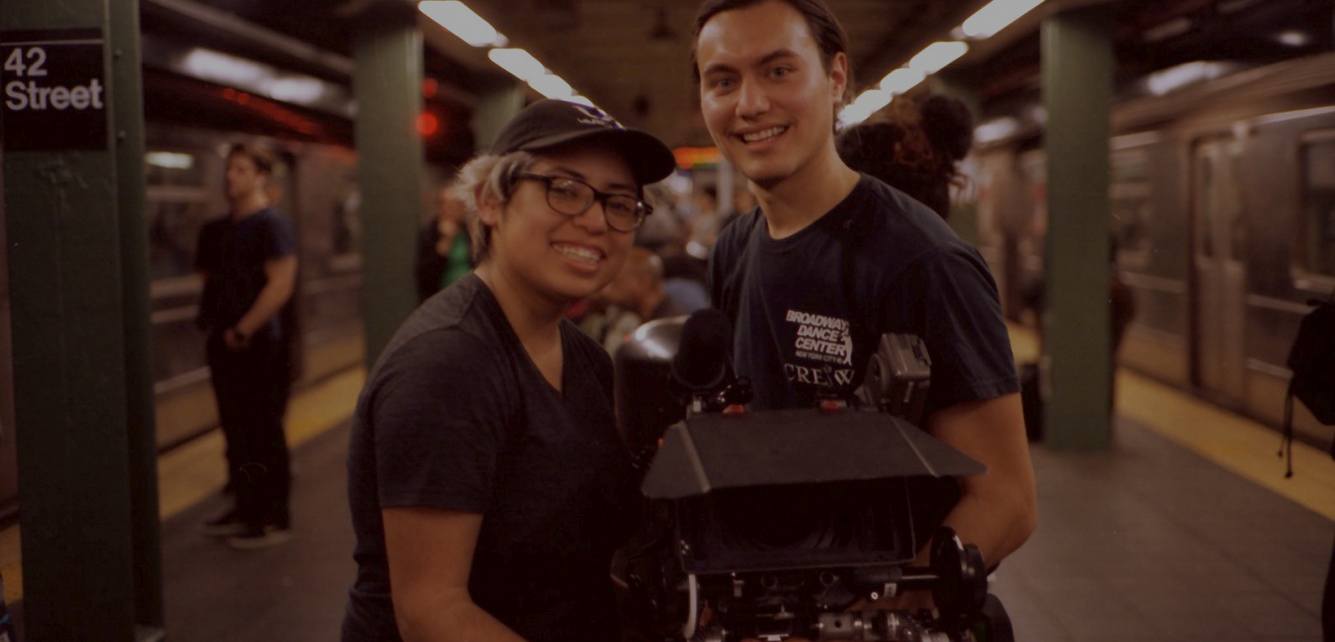
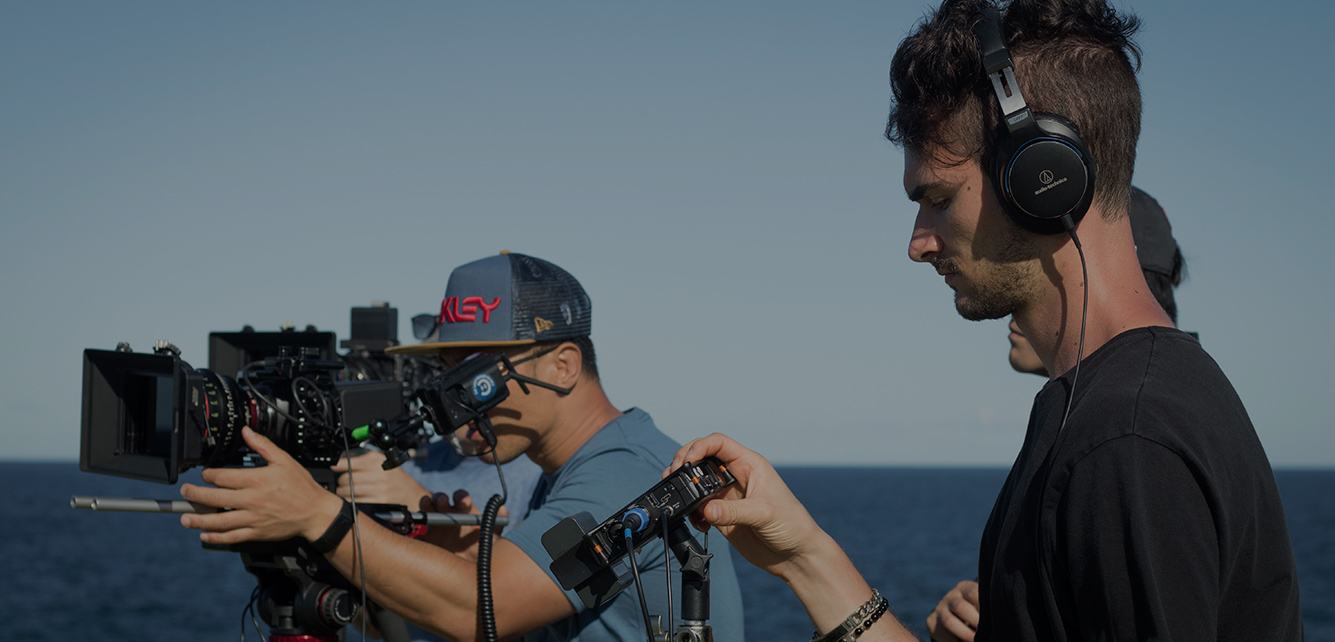
Case Studies
If you do nothing else, read this:
If you’re not Vectoring onto these professional sets now, and instead you’re working on your script, your films, your mind work to get ready, you’re going backwards. You’re not becoming an in-demand actor or director, you’re becoming a person with an unrealized dream.
And you’ll stay a person with an unrealized dream forever—who talks about what they are going to do, or who has a film, has a reel, and has done so much work, but no one to show it to, no way to activate all that work.
All because you stayed in the safe, slow lane instead of jumping into the mix and making yourself valuable to film sets.
What life do you want?
What person do you want to become?
The industry changes all the time, by the time you finish your film, it’s already changed. By the time you are “ready”, your market is shrinking and the film work is going elsewhere. There are “windows” of opportunity in film.
You have to be effective when it’s hot, hit it hard, and do it now.
Frequently Asked Questions
Yes, it certainly can. Most of our students either have no experience, or have had experience that didn’t take them anywhere professionally. They have usually received that experience from film schools and other prestigious academies, but didn’t know what to do with it.
The thing is — building a professional career doesn’t magically happen without you deciding you are going to work on your set knowledge, communication, and quiet confidence (how you respond to conflict and stress). You are truly doing it with my help. My most successful total beginners have taken anywhere from one month (rare) to 8 months to bring their career vision fully to life with people calling them consistently in the niche they envisioned.
For you, if you’re already entrepreneurial, have great conversation skills, and have a knack for making people love you at first site, you may have your career up and running in just a couple of months as well. For most people it’s been around 8 months… and for those who really need a state change, it may take them longer.
The Program is ideal for those who need a bit of extra care because it trains you to think like an in-demand professional and avoid many of the costly mistakes others have made when they have desperately tried to get into the business. Being with us destroys some of the biggest mental hurdles you may be facing such as:
- “How do I get to my goals when I have anxiety or depression?”
- “What if I have an idea of what I want, but I haven’t done anything with it yet? How do I know my idea will actually work for me?”
- “How do I deal with the issues that have held me back in the past and I’m scared I may find out I don’t have what it takes?”
I can tell you everyone feels nervous about whether they are good enough to get to their goals at first.
But let me tell you this: if you like to learn a craft BY DOING… if you are fascinated by what happens on a film set… if you dream of a different life than you have today and want to expand who you are and shed your limiting beliefs, this is the perfect avenue for you to grow into the person you want to be.
The Program and the bonus trainings are delivered in a multimedia format. The material is viewable across any laptop or mobile device. So all you need is a device with strong WiFi / cellular service!
The most desirable work is competitive. Everyone wants it. That’s why you need to be thinking differently, and showing up differently. We don’t beg for work. We produce work because “Work begets work.”
We don’t tell, we show. That’s how you sell a show concept to Netflix. That’s how you create an in-demand career too.
Absolutely. That’s exactly what it does. You are only doing exactly what gets you working in a word-of-mouth business.
If you’ve been working in another industry and you want to transition into film now, you’ll work with Janet to use your skills to go even faster.
I recommend between 4-6 hours per week to watch the training. Do what it says, and engage with us in the Mastermind Group with other students. You will get on film shoots on the weekends, and transition into film when the time is right for you. (When you’ve got to quit that job because you’re getting too much film work.)
Yes, people in the freelance film industry go on vacation, buy a house, have babies, and take care of aging parents. If this is what you want to do with your life, you must simply START and know that it’s never going to be a perfect time. The best time to start was yesterday. The second best time is now.
It’s normal to be uncertain, but don’t let your fear keep you from doing the most important thing that will give you the life you want. There are film shoots who need capable people. Let’s go!
Janet does live bi-weekly calls and answers your questions in the Yammer mastermind. If you need a higher level of access to Janet, you may want to consider joining as a Platinum.
You’ll have to decide if you want to pay for film school, but there are many reasons why you may not want to. Like no one in the film industry cares about degrees. Like it may put you in debt. Like there are millions who go to film school and also want in and they are not working.
Production hires capable people who they are referred to. You’ll use this program to break into this connection-driven, highly competitive business. And learn by doing. So, it’s up to you if you want to start working in the business, or study it and wait until later to worry about making it a career.
You are making it a career with Janet helping you.
It’s a common theme and issue out there. The industry gets more competitive every day with more people being dissatisfied with their jobs and people who studied film at school. I can tell you that if you do this program, you’ll be doing what gets you working. I wish film school could teach that, but they cannot. Career success is not taught in school.
If you want to get paid professional jobs in the professional industry, then you can join us. It will speed you in fast and there is a cost to figuring it out on your own. Most people are never able to.
I don’t know any other program where you can invest $5K and make $50K back within a year. Wish I did. But that’s what I created. That being said, I give no promises, or guarantees that you’ll make any money in the film industry. I can show you what to do and help you, but I can’t make them hire you!